

Sustainability in Corporate Events
In recent years, sustainability has become a key focus across industries, and the event planning sector is no exception. As companies and organizations become more conscious of their environmental impact, there is a growing demand for sustainable corporate events. From reducing waste to sourcing eco-friendly materials, event planners are adopting green practices that benefit both the environment and their bottom line. This blog explores the importance of sustainability in corporate events and how venues like HyperX Arena in Las Vegas are in charge of creating eco-conscious events.
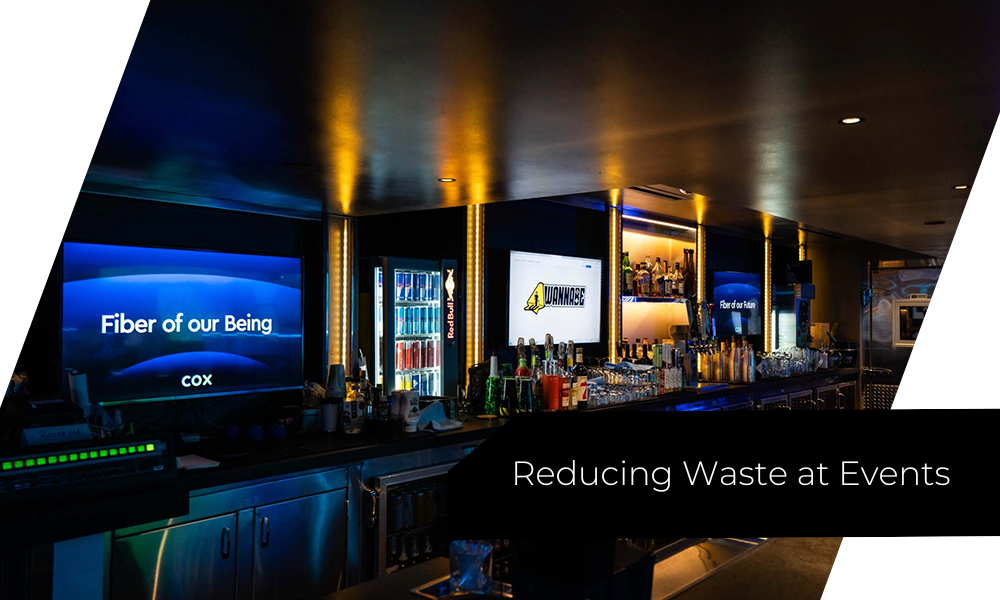
1. Reducing Waste at Events
One of the primary concerns in corporate events is the significant amount of waste generated. Single-use plastics, promotional materials, food waste, and other disposables can quickly pile up, leaving a large carbon footprint. Implementing waste-reduction strategies is a vital first step in creating sustainable events.
Event planners can work with venues to minimize waste by using reusable or biodegradable materials, opting for digital handouts instead of printed ones, and encouraging recycling.

2. Sourcing Eco-Friendly Materials
Corporate events often require materials like banners, signage, decorations, and promotional items. Traditionally, these items are made from non-recyclable materials that end up in landfills after the event. Consider sourcing eco-friendly materials like recycled paper, biodegradable plastics, or organic fabrics to create a more sustainable event.
Partnering with a venue that offers eco-conscious event setups can help streamline this process. Many sustainable venues offer digital signage, eliminating the need for printed banners and posters.
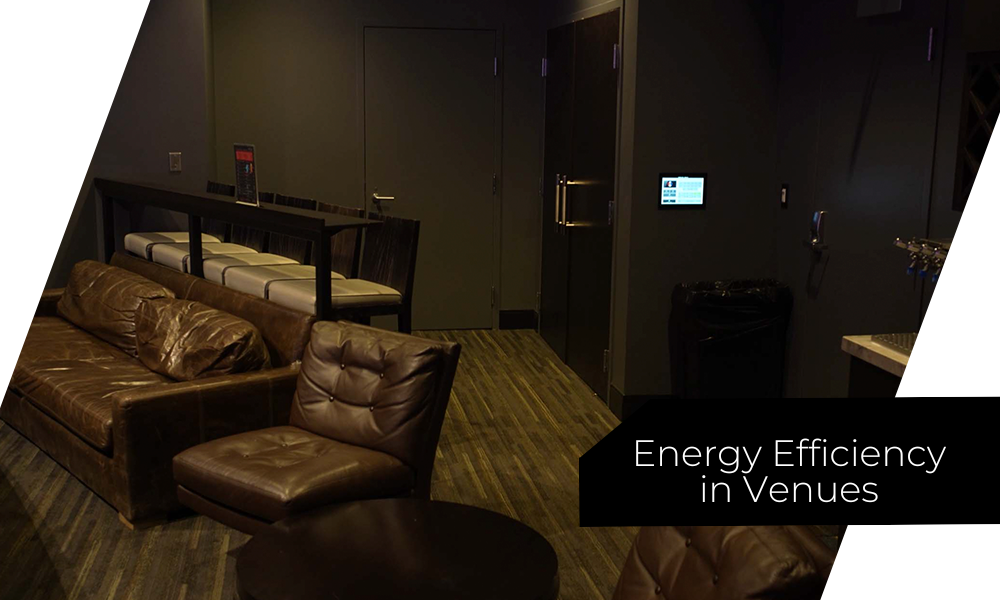
3. Energy Efficiency in Venues
Energy consumption is another critical factor in event sustainability. Corporate events typically require significant energy use, from lighting and sound systems to heating, cooling, and electronic displays. To reduce energy consumption, choose a venue that prioritizes energy efficiency, such as LED lighting, energy-efficient appliances, and renewable energy sources.
The HyperX Arena, for example, is equipped with energy-efficient lighting and advanced HVAC systems to minimize the venue’s energy consumption while maintaining a comfortable environment for attendees.
4. Sustainable Catering Options
Food waste is one of the event industry’s largest contributors to environmental damage. From excessive food preparation to single-use dining utensils, catering for corporate events can lead to significant waste. Opting for sustainable catering options, such as locally sourced, organic, or plant-based menus, can help reduce your event’s environmental impact.
Additionally, event planners can choose venues that offer eco-friendly dining solutions, such as reusable or compostable plates and cutlery, and donate leftover food to local shelters.
5. Encouraging Sustainable Transportation
Transportation is another factor to consider when planning a sustainable corporate event. Encourage attendees to carpool, use public transportation, or opt for electric vehicles. Some venues, like the HyperX Arena, offer easy access to public transport, making it convenient for attendees to choose more sustainable travel options.
Planners can also consider offering virtual attendance options to reduce the number of people traveling to the event, especially for hybrid events that combine in-person and online participation.
Conclusion
Sustainability in corporate events is no longer an option; it’s a necessity. By adopting eco-friendly practices, reducing waste, and choosing energy-efficient venues, event planners can significantly reduce their events’ environmental impact. As businesses strive to meet sustainability goals, green corporate events are a step in the right direction. Venues like HyperX Arena in Las Vegas offer event planners the resources and facilities needed to create eco-conscious, sustainable events that leave a positive impact.